Handpicked
When Your Rich Text Editor Needs to Be as Capable as Your App: Diving into Plate
Building a rich text editor from scratch is a nightmare. Leveraging a robust framework like Plate, which integrates with modern UI libraries and even AI, changes the game for creating sophisticated content experiences within your applications.

When Your Distributed System Needs a Single Pane of Glass: Embracing OpenTelemetry with SigNoz
Building distributed systems is hard enough. Knowing what's actually going on when things break can feel impossible, especially when you're juggling multiple tools for logs, metrics, and traces. OpenTelemetry offers a standardized way to instrument everything, but you still need a backend. SigNoz pr

When Your Frontend Needs to Get Crafty: Image Processing and Generative Art in the Browser
Pushing complex image processing and generative art into the browser might seem like a performance nightmare, but with modern web APIs, it's more feasible and powerful than you think. Let's build a tool that turns photos into pixel art, exploring how we can harness Web Workers and the Canvas API to

When Your Internal Tools Need to Be More Than Just CRUD: Embracing Refine's Flexibility
Building internal tools often feels like a race to slap a UI on a database. You start with basic CRUD, but then requirements spiral. Suddenly, you need complex workflows, custom data transformations, and specific UI interactions that generic admin panels just can't handle. Refine steps in here, offe

When Your UI Needs to Be Truly Collaborative: Yjs for Real-Time Shared State
Building a real-time collaborative application is notoriously difficult. Yjs offers a pragmatic solution by providing shared data types and a robust synchronization engine, enabling multiple users to edit the same document without complex conflict resolution logic.
When Your CLI Needs to Be a First-Class App: React for the Terminal with Ink
Building interactive command-line interfaces often means wrestling with low-level terminal escape codes or clunky libraries. Ink lets you use React's familiar component model to craft rich, dynamic CLIs that feel like native applications.
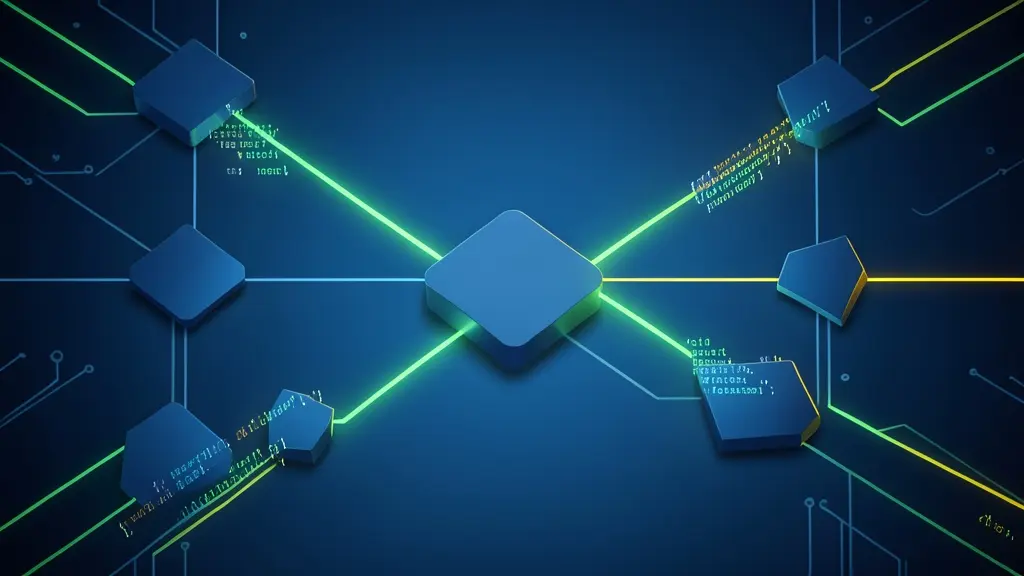
When Your Workflow Needs to Be Code, But You Still Want a UI: Exploring n8n
We've all been there: a repetitive task needs automating, a new system needs to integrate with an old one, or a scheduled job needs to pull data from somewhere and push it elsewhere. You could write a script, but then you're managing cron jobs, error handling, and secret rotation. You could use an e

When Your Frontend Gets Creative: Image Processing in the Browser with WebAssembly
Pushing complex image processing directly to the client can seem daunting. But with WebAssembly, we can unlock serious computational power without hitting a server, opening doors for creative, responsive tools.
When Your Popovers and Tooltips Need to Be Perfect: Floating UI
Building UI components like tooltips, popovers, and dropdowns seems trivial until you account for screen edges, scrolling, and dynamic content. Floating UI is the library that solves these headaches by precisely positioning your floating elements, making them behave perfectly in any scenario.